
Dry Cupping Therapy
Helping to relieve muscular tension and support recovery.
Dry Cupping Therapy joins us soon
We’re open now, with our therapies and our first hands-on treatments bookable. Register your interest and we’ll let you know as soon as booking opens.
Register your interestA consultation and suitability screening are completed before your first treatment. See Before you book below.
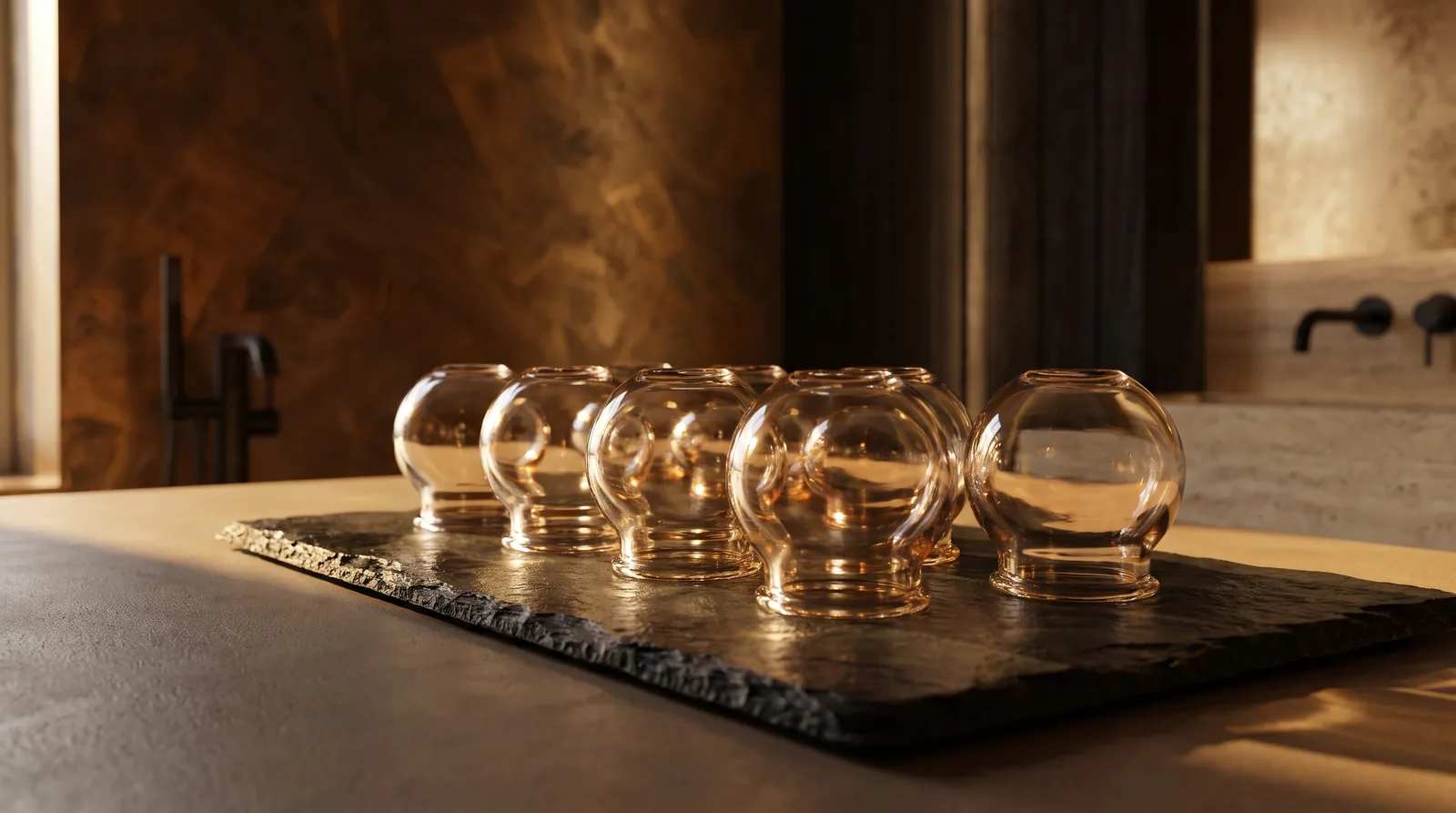
Dry Cupping Therapy uses specially designed cups placed on the skin to create gentle suction, lifting the skin and superficial tissues. Unlike wet cupping, the skin is not cut and no blood is removed. Cups may be held in one position or moved using carefully adapted techniques, with the suction, placement and duration adapted to your comfort and health history.
At Health Pod Frodsham it is offered as a complementary wellbeing treatment — to support relaxation, muscular comfort and general wellbeing — and as an add-on alongside many treatments. Individual responses vary and it does not diagnose, treat or cure medical conditions.
Potential benefits
- Relaxation and a sense of wellbeing
- Temporary easing of muscular tightness or tension
- Support following exercise, where appropriate
- Improved comfort and ease of movement for some clients
- A supportive addition to a wider wellbeing routine
Who may benefit
- Muscular tension and back, neck or shoulder tightness
- Stiffness or post-exercise muscular discomfort
- Stress-related tension
- Those seeking a complementary relaxation treatment
Before you book
Your wellbeing comes first. Everyone completes a consultation and suitability screening before their first treatment, so we can make sure it’s right for you. The notes below help you know what to tell us.
May not be suitable if you have
- Suspected or confirmed DVT, blood clot or thrombophlebitis
- A significant bleeding disorder or uncontrolled bleeding risk
- Active infection, fever or contagious illness
- Open wounds, broken skin, burns, active skin infection or significant skin irritation in the treatment area
- Severe or unexplained bruising
- Unstable medical conditions or new, severe or unexplained symptoms
May need a chat or clearance first
- Anticoagulant or blood-thinning medication, where bruising or bleeding risk needs assessment
- Recent surgery or an acute injury not yet medically approved for treatment
- Any condition where a GP, consultant or other healthcare professional has advised against cupping or massage-type treatment
- All clients complete a consultation and health screening before their first treatment
These lists are not exhaustive. Treatment may be adapted, postponed or declined on safety grounds, and this therapy does not replace advice from your GP or healthcare professional.
Consultation first. All clients complete a consultation and suitability screening before their first treatment. This is a complementary wellbeing therapy — it supports relaxation, comfort and general wellbeing and is not a substitute for medical diagnosis, advice or treatment. Individual responses vary.
Frequently asked questions
Will dry cupping leave marks?
Temporary circular marks, redness or bruising are a normal response to the suction on the superficial tissues and small blood vessels — not 'toxins leaving the body'. They typically fade within a few days, though occasionally longer, so please consider any upcoming holidays, photographs or events before treatment.
Will it hurt?
You may feel pulling, tightness, pressure or warmth; the sensation should stay tolerable. Tell your therapist immediately if you feel pain, burning, numbness or dizziness — cups can be adjusted or removed, and treatment stopped, at any time.
Can Dry Cupping be added to another treatment?
Yes. A 15-minute Dry Cupping add-on is available alongside treatments such as Aromatherapy Massage, Reflexology and MLD where appropriate.
Do I need a consultation?
Yes. You complete a consultation and health screening first, and treatment may be adapted, postponed or declined if a contraindication or safety concern is identified.